
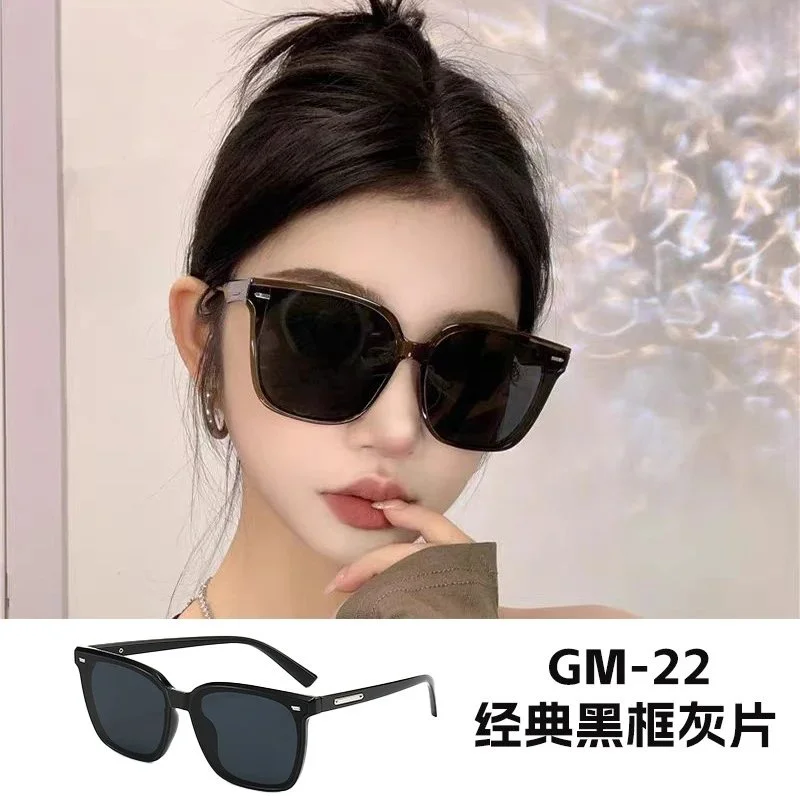
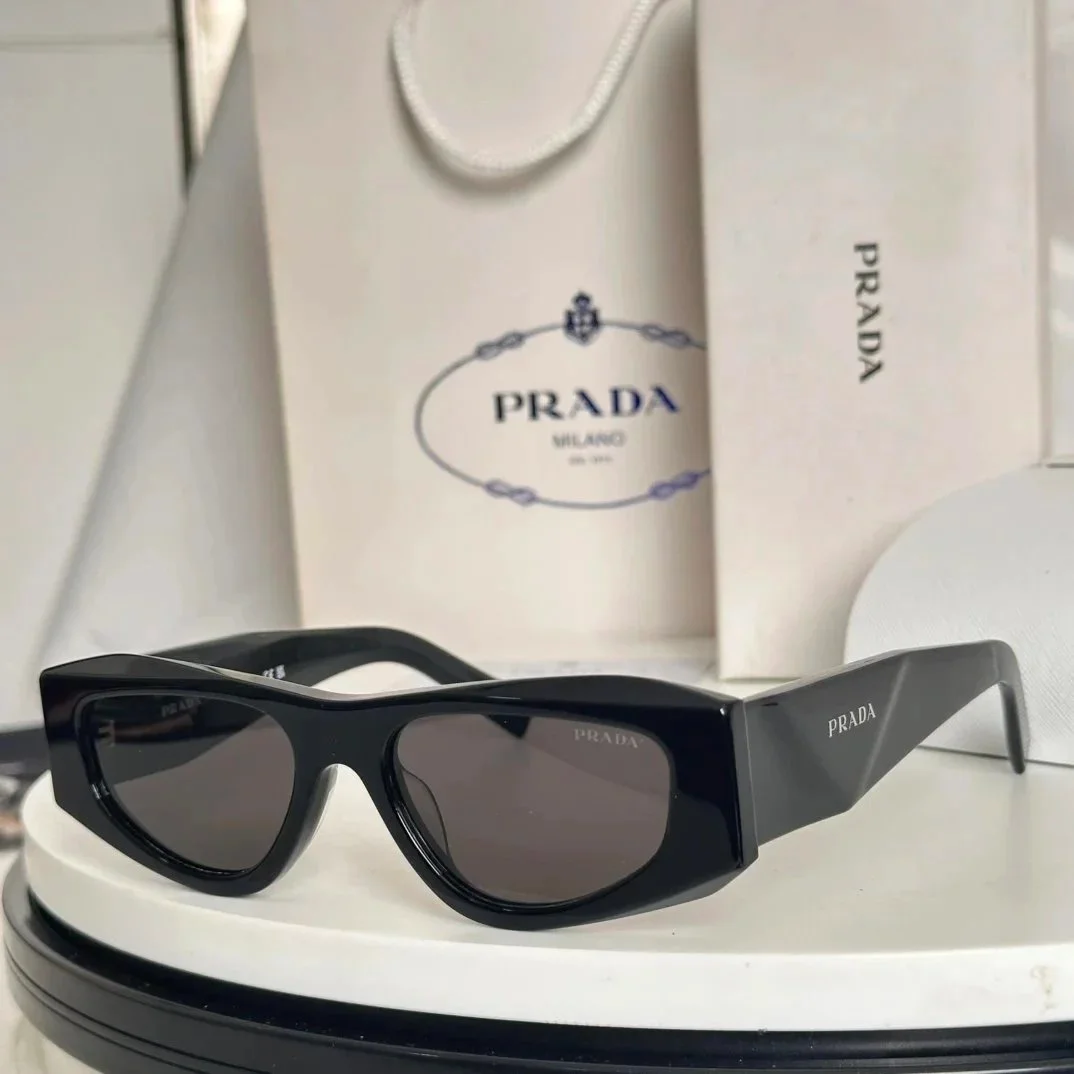
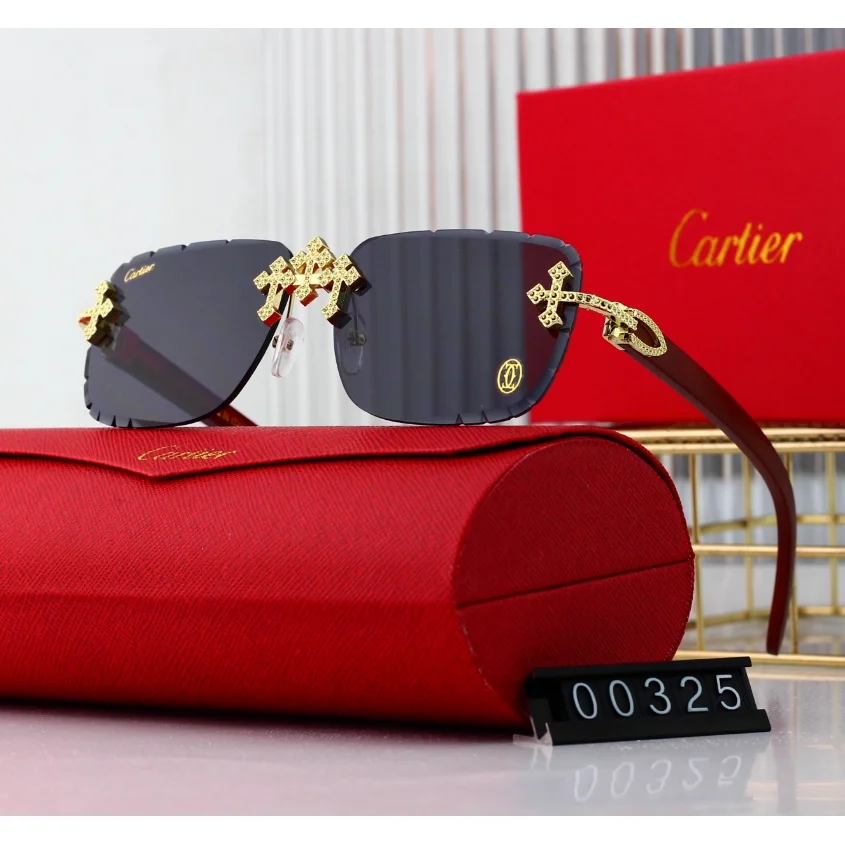
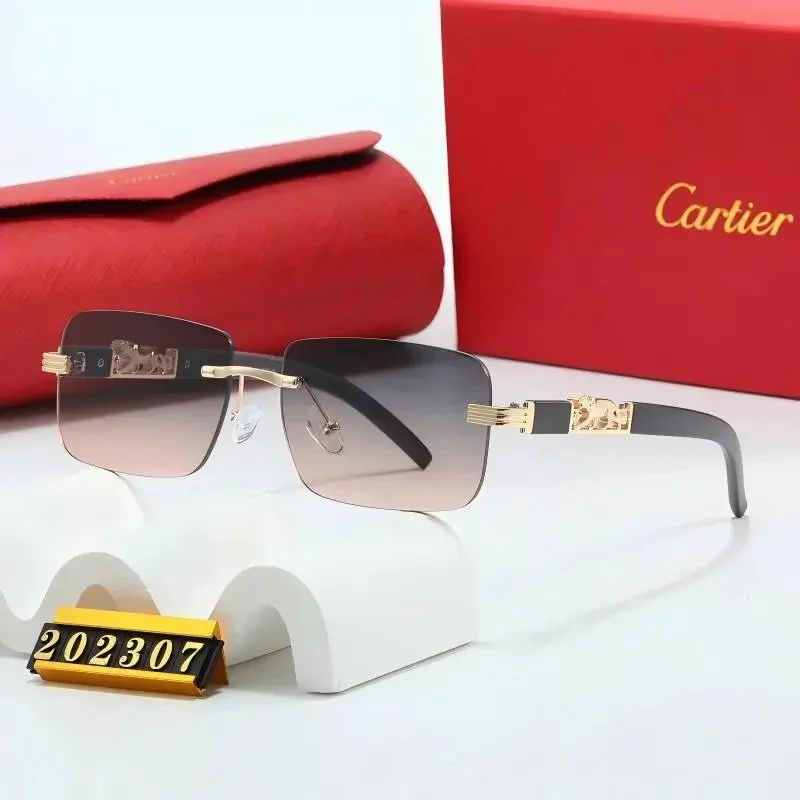
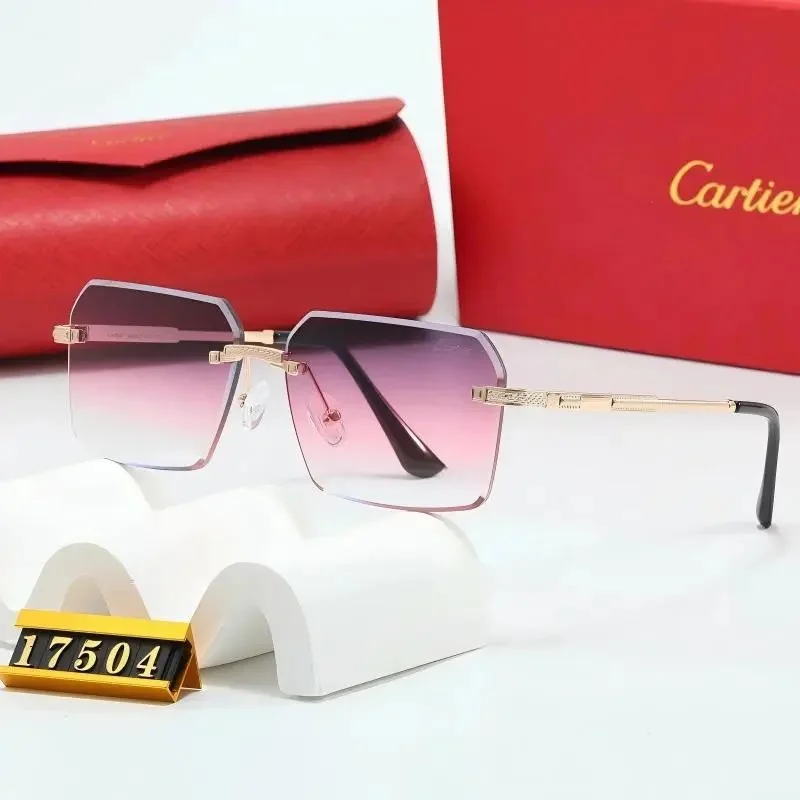
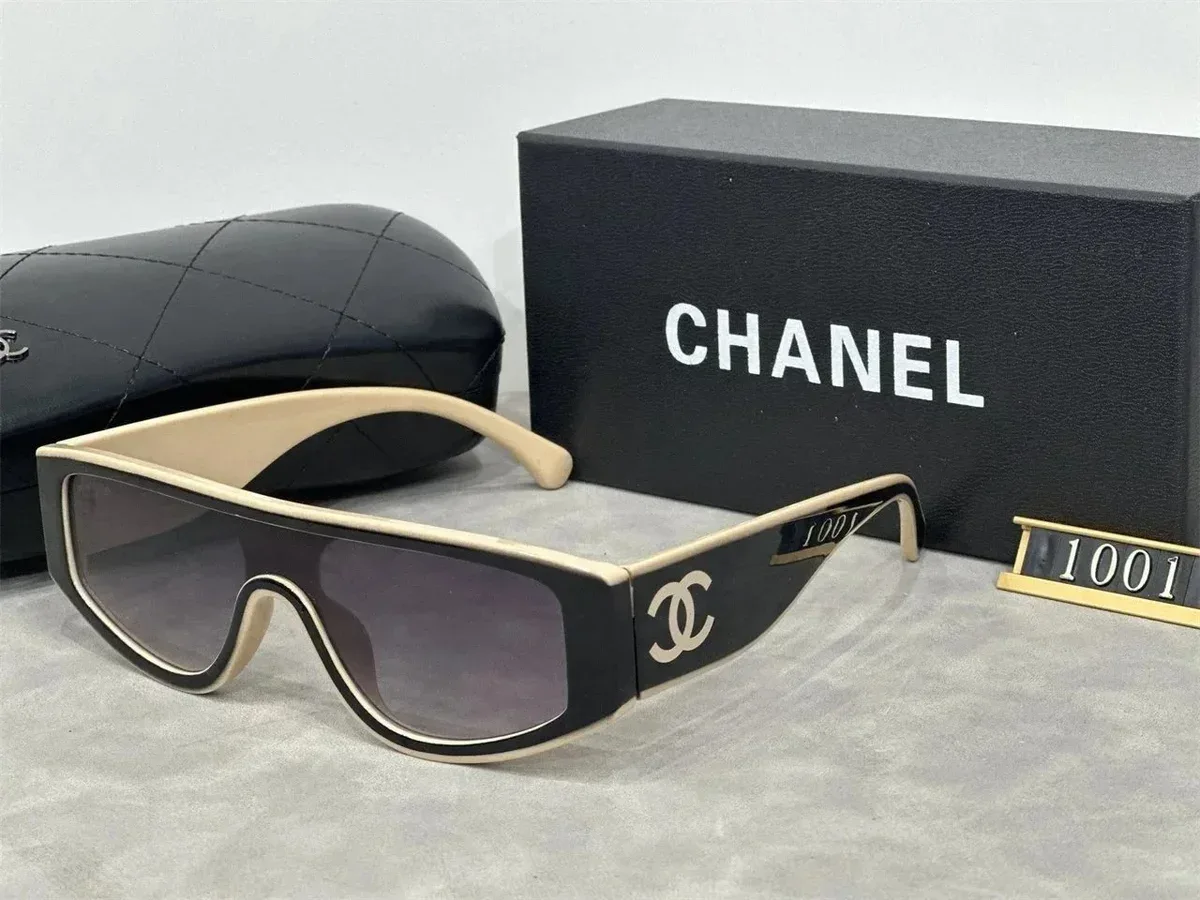
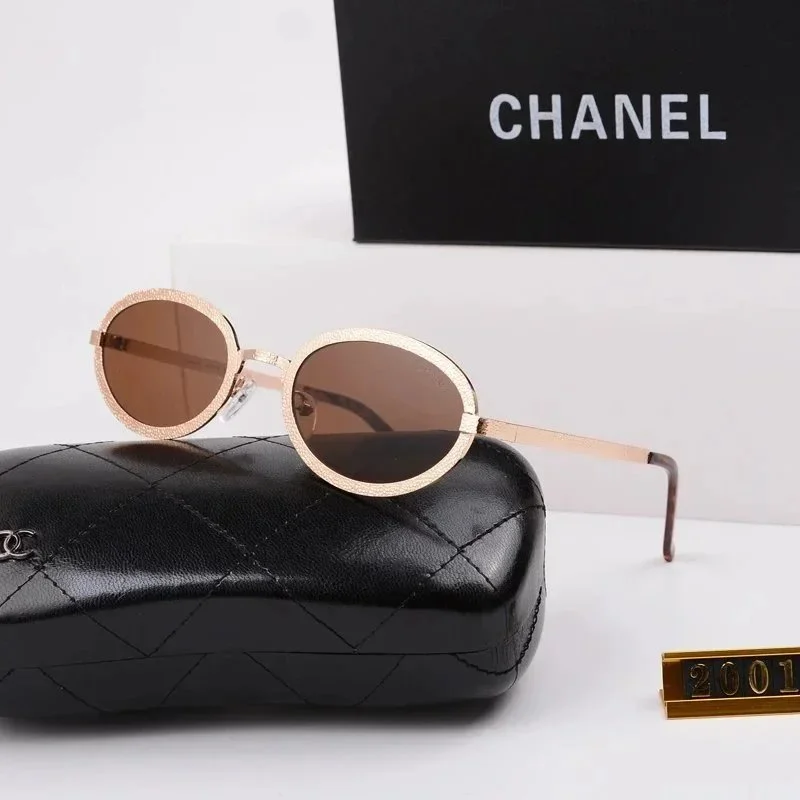
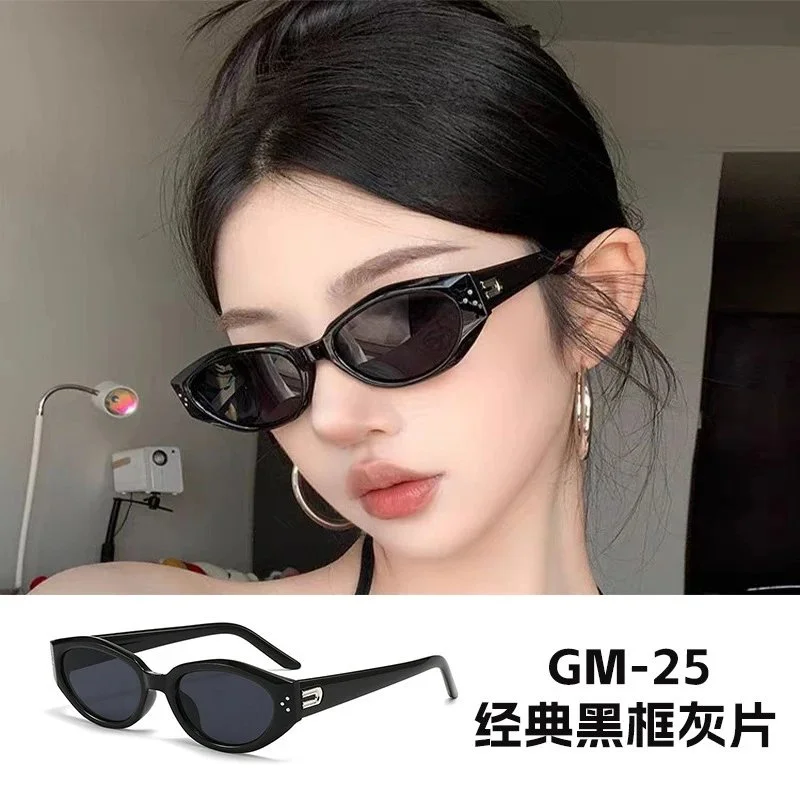
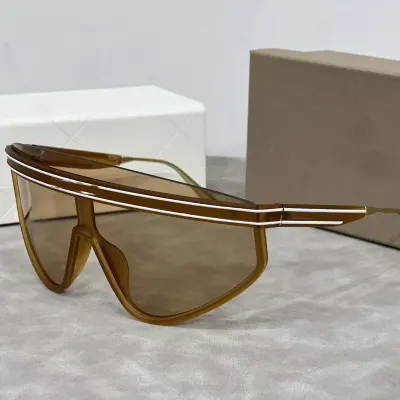
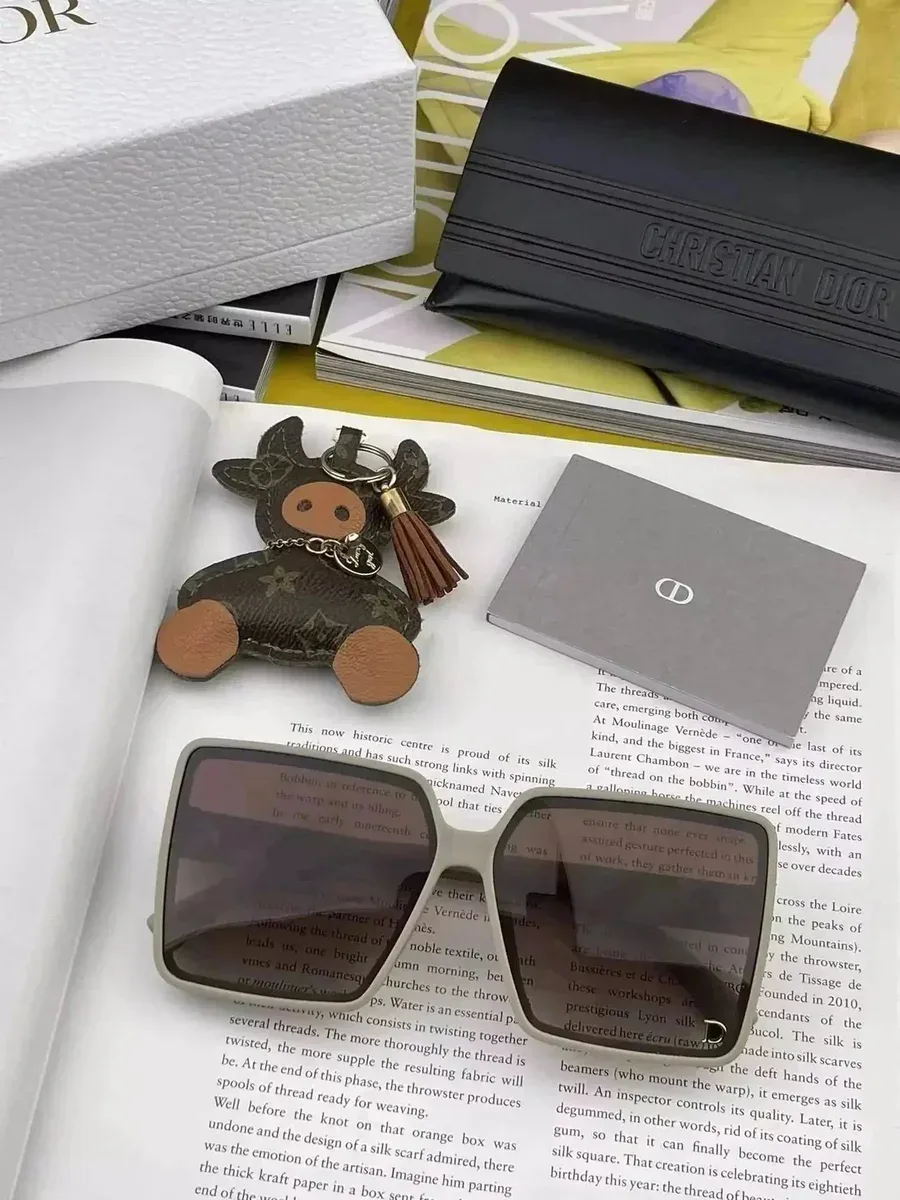
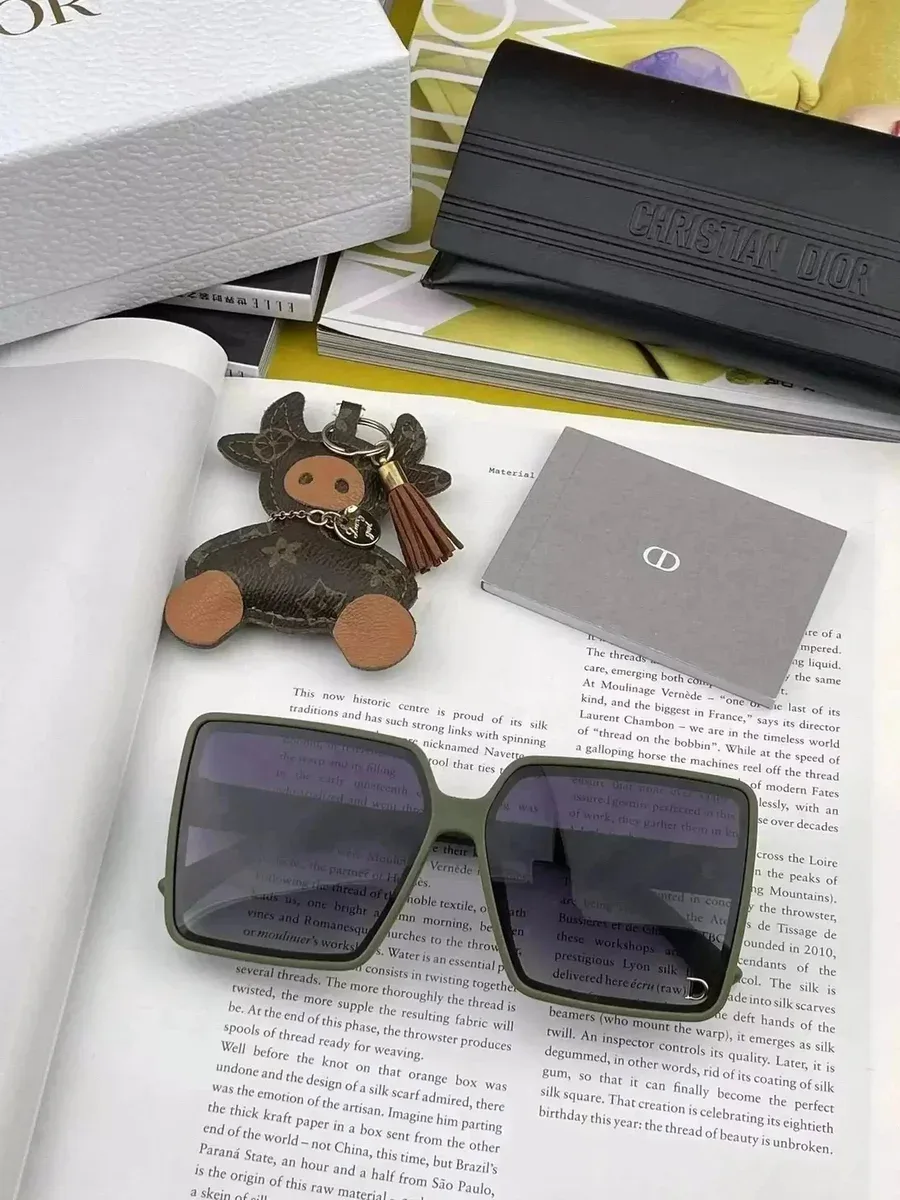
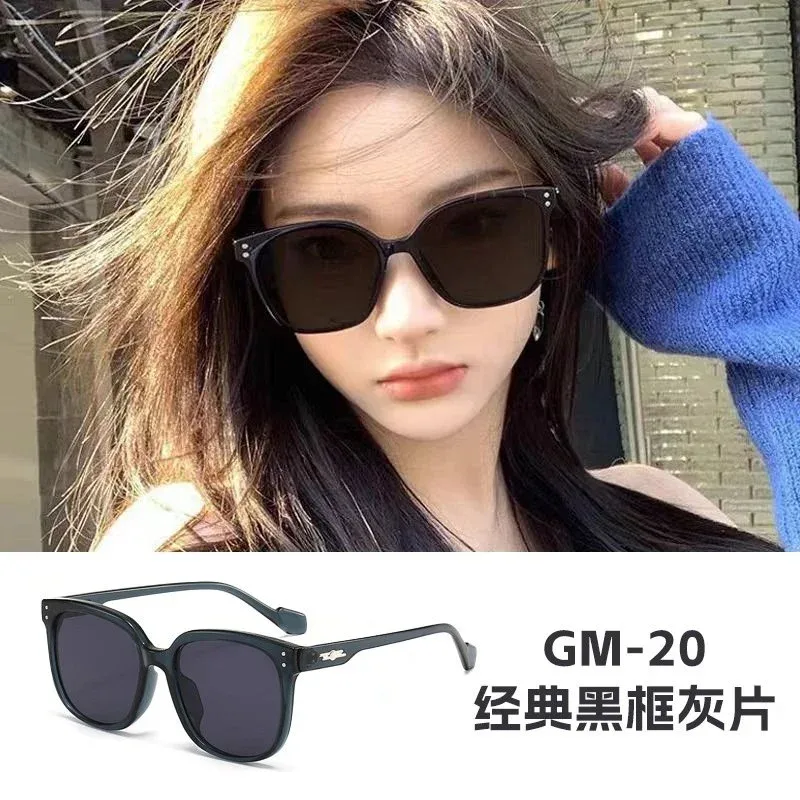
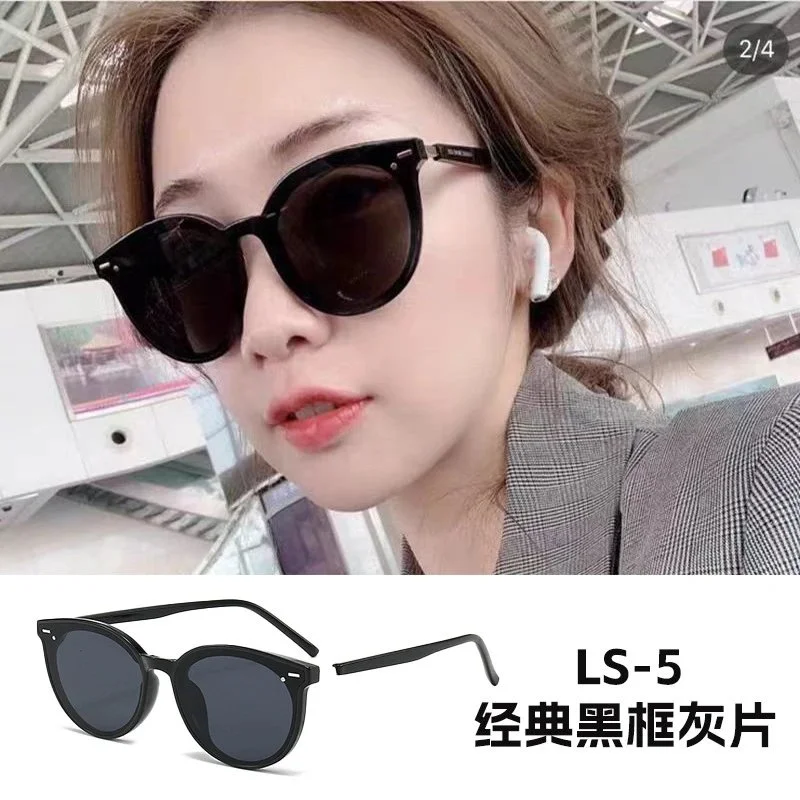
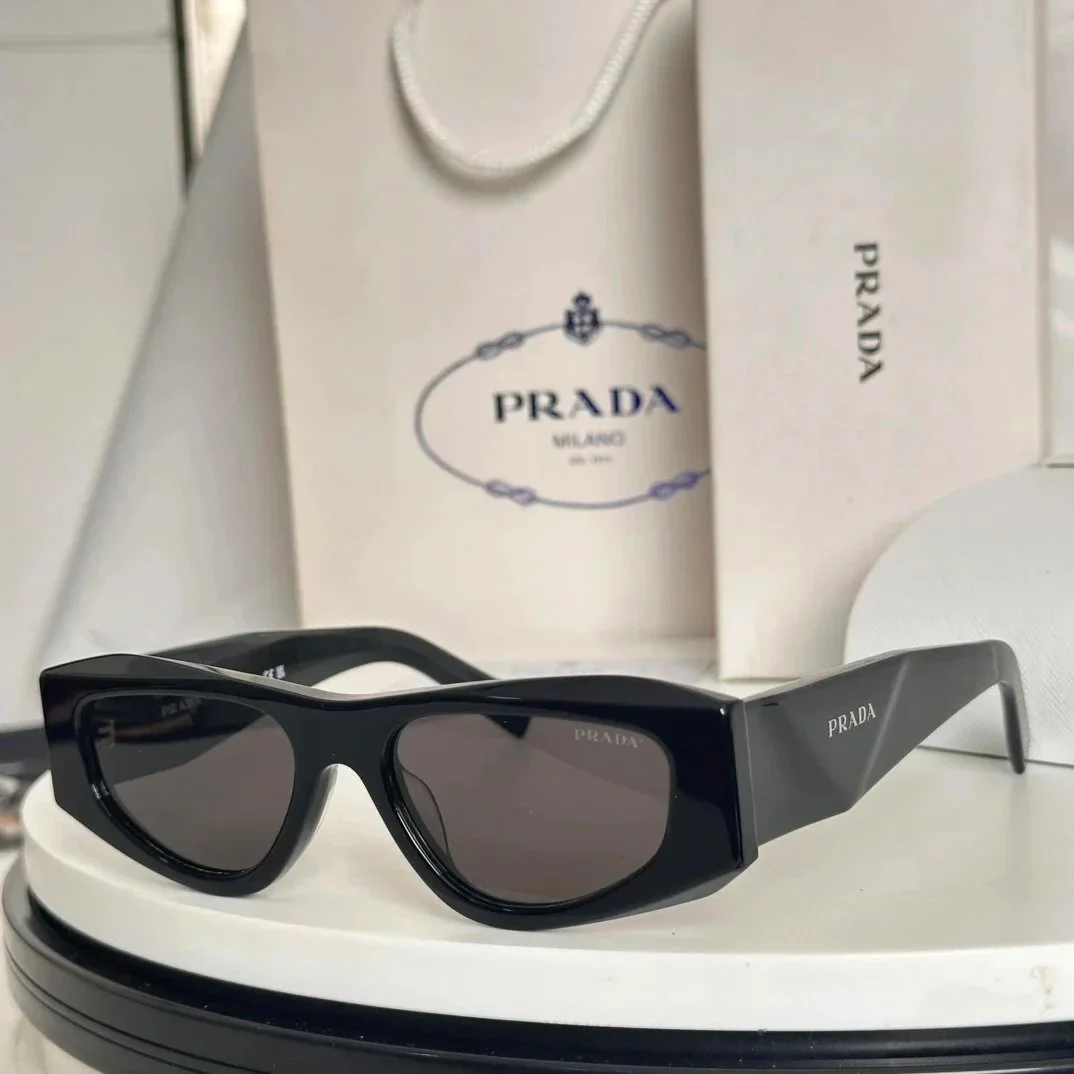
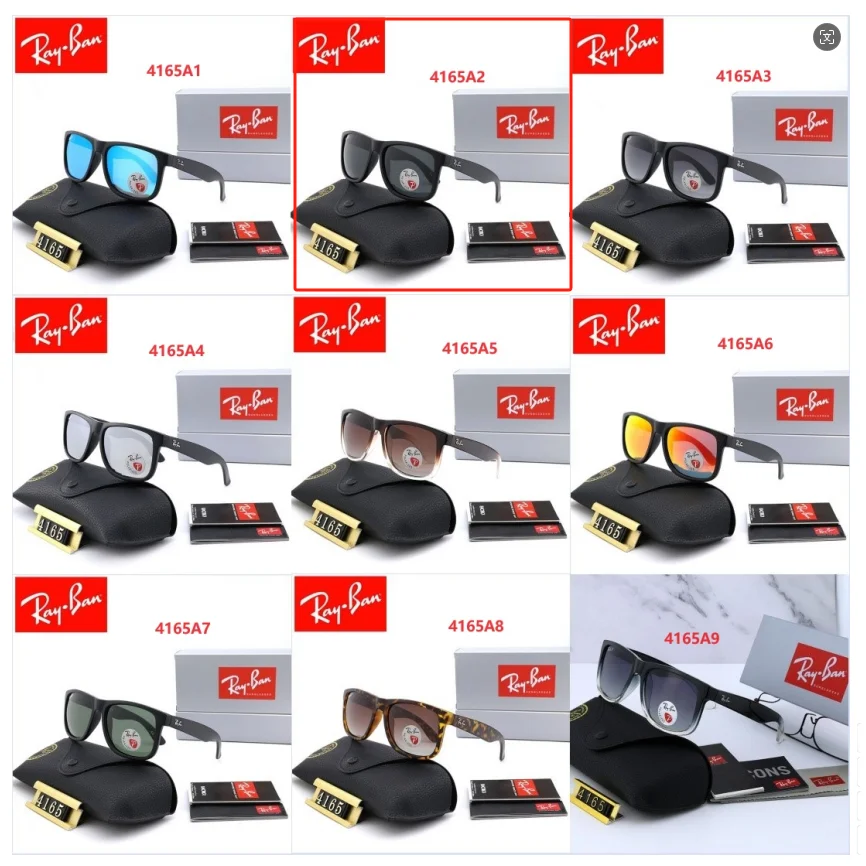
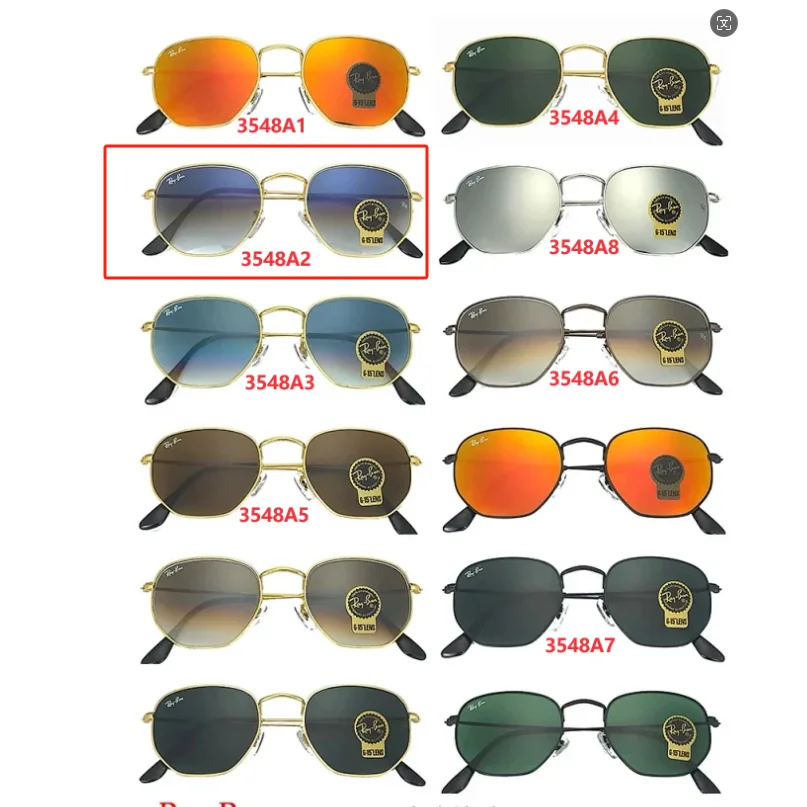
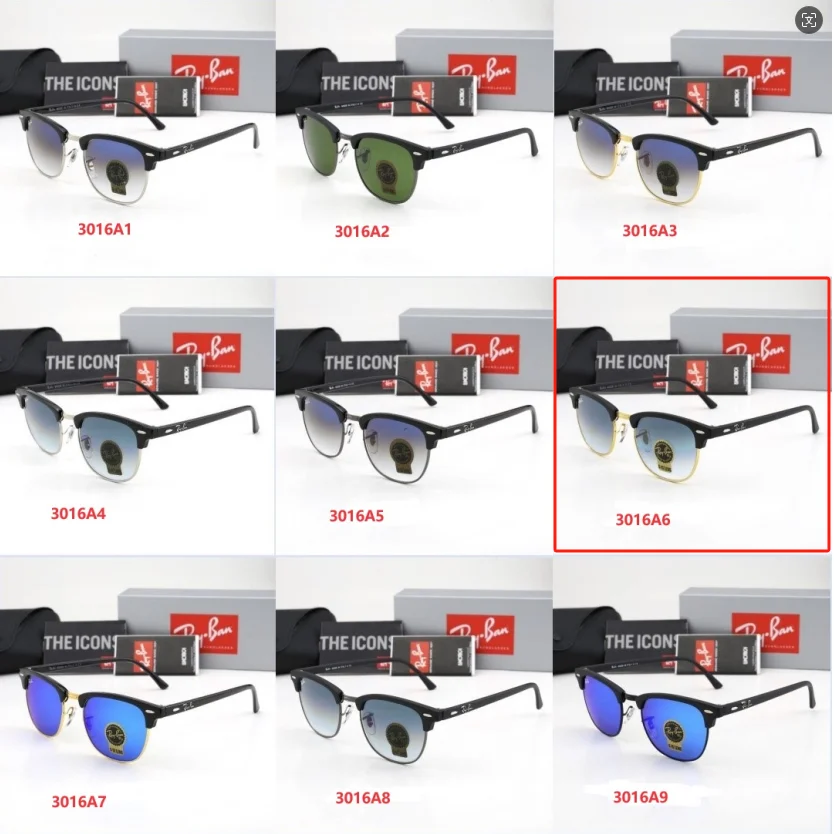
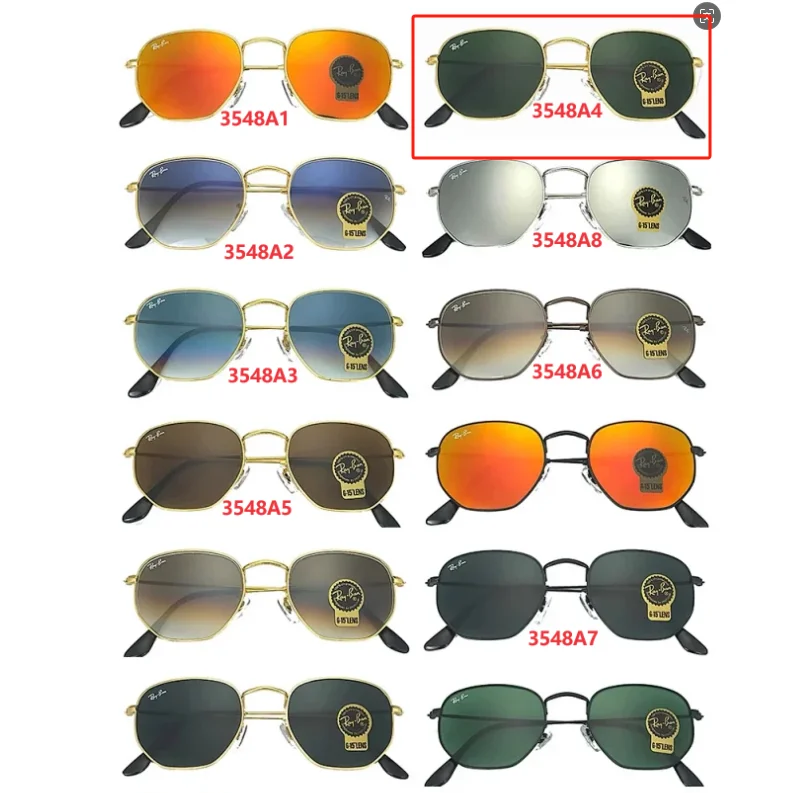
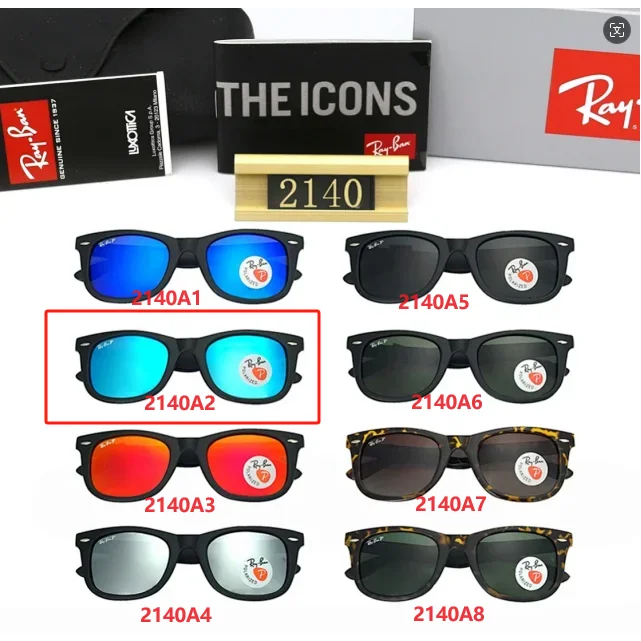
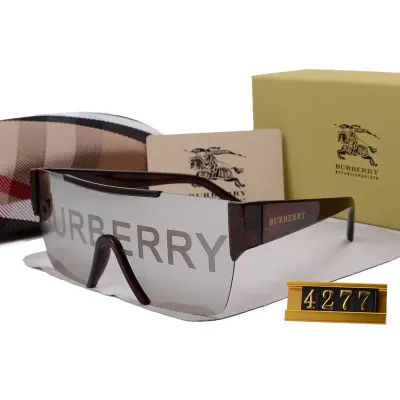
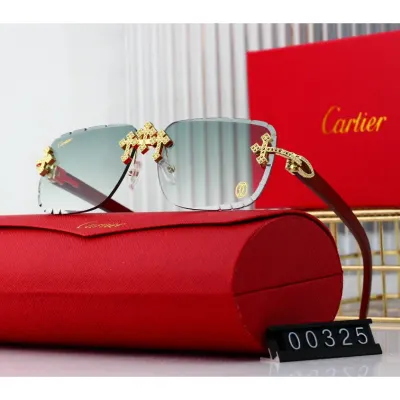
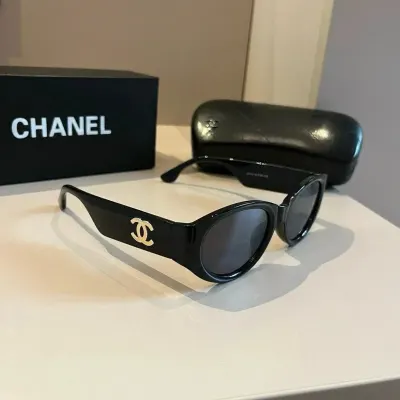
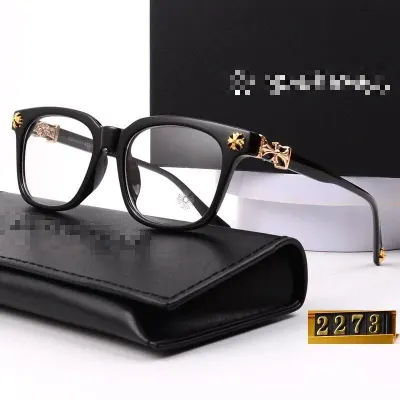
Treat tint, polarization and UV protection as three separate listing details. Tint reduces visible brightness. Polarization helps cut reflected glare from surfaces such as water. For sun protection, look for a stated level of UV protection for the exact lens you would receive. Look for 100% UV protection, as recommended by the American Academy of Ophthalmology. Read the academy’s sunglasses buying guidance.
Check how you will use the lens
Polarized lenses can be useful when you spend time near bright, reflective surfaces. If you regularly read LCD displays outdoors, test screen visibility with a polarized pair first. Some displays are harder to read through the filter. See the academy’s guide to polarized lenses.
Confirm the exact lens option
If one listing offers several lens colors, ask for the label or specifications for the option in your order. Save the seller’s reply with your order details. An optical shop may be able to measure UV blocking when you need to verify a pair in hand. See the academy’s guidance on checking UV protection.